UXUI

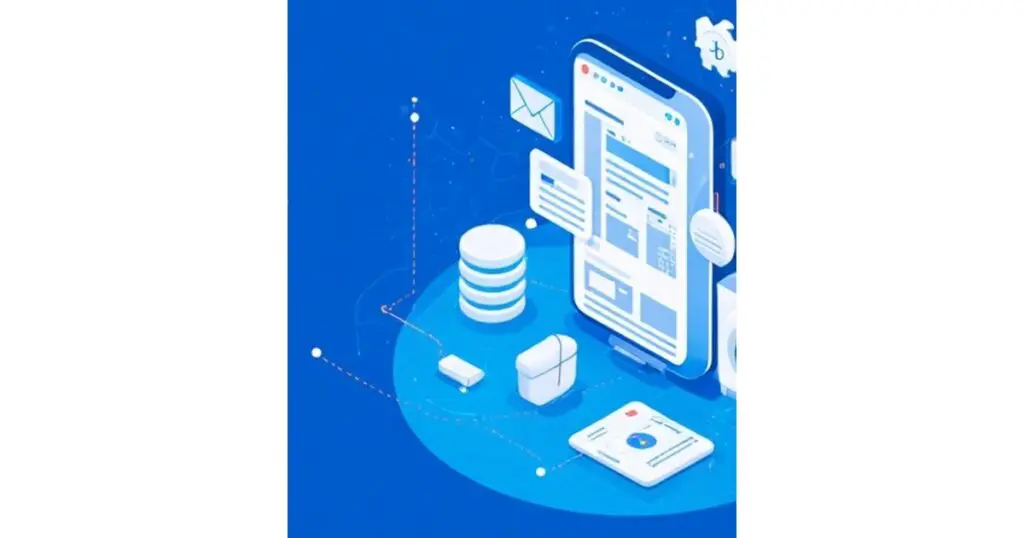
The 3D Advantage: How Manufacturers Are Using 3D Visualisation to Cut Sales Cycles in Half

Physical samples and slow feedback loops are quietly stretching out B2B manufacturing sales cycles. See how manufacturers are using 3D visualisation to show buyers finished products before they’re built — cutting sales cycles in half in the process.

The 3D Advantage: How Manufacturers Are Using 3D Visualisation to Cut Sales Cycles in Half Read More

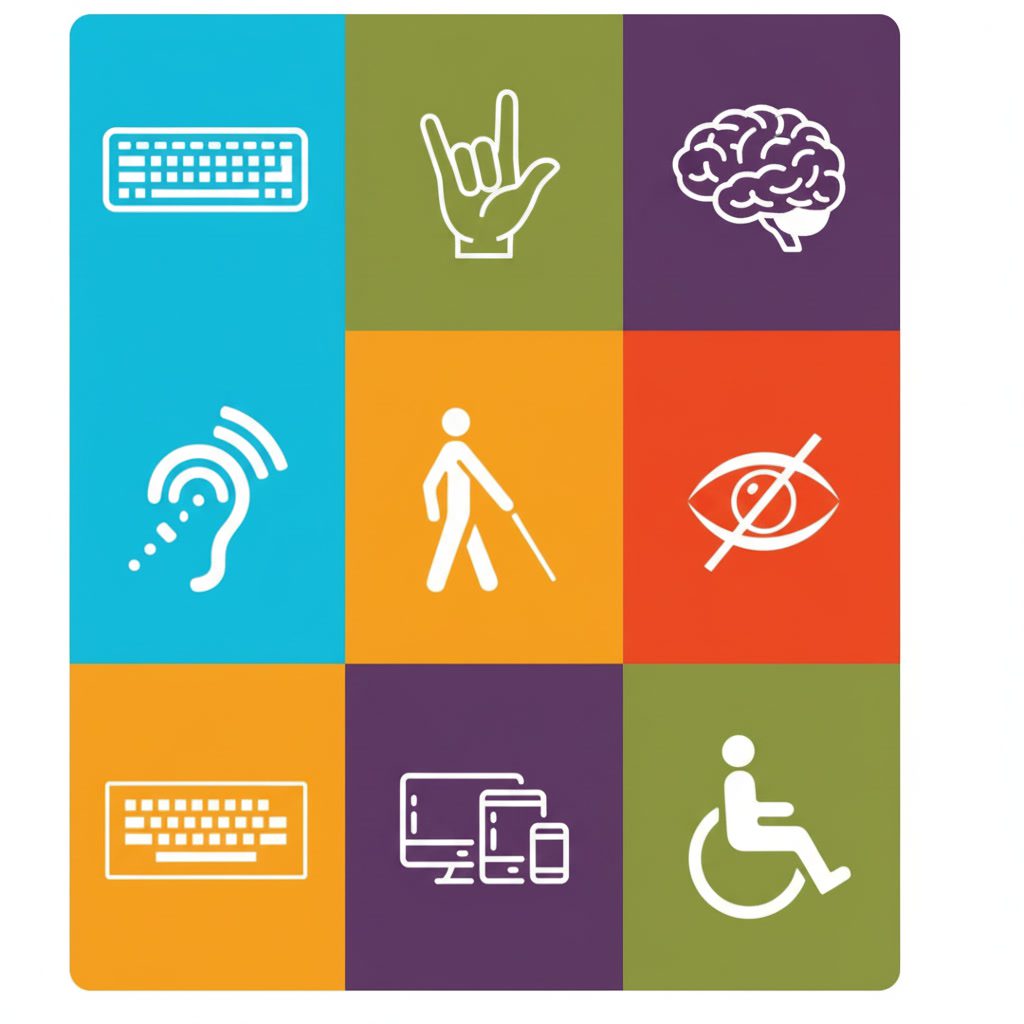
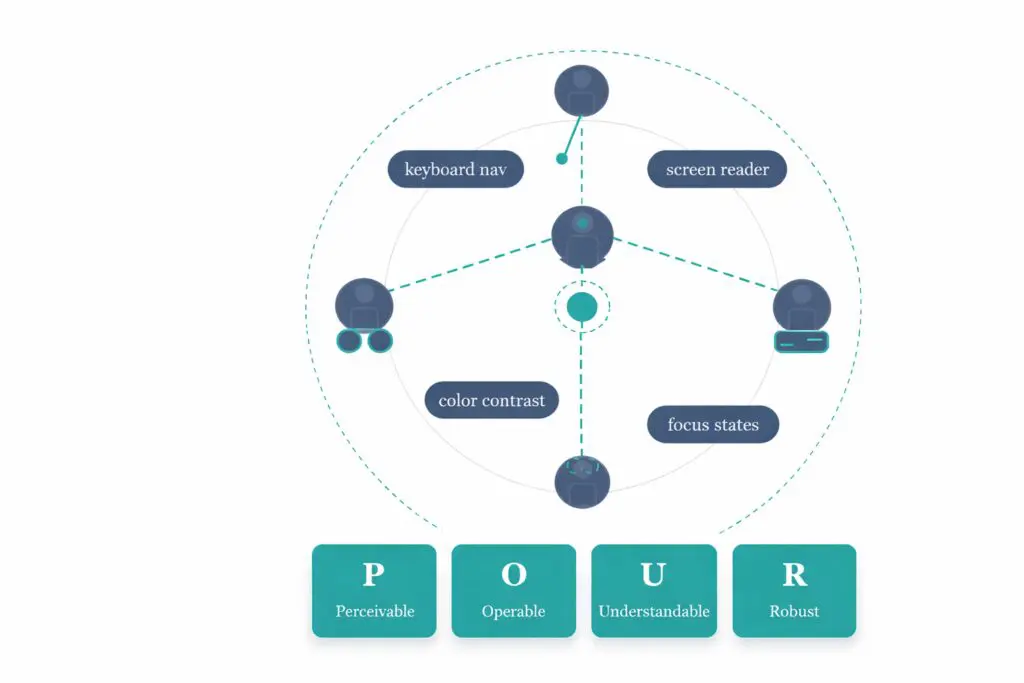
Accessibility Isn’t an Add-On: Why We Design for Every User from Day One

Somewhere between the first wireframe and the final launch, accessibility gets put on a list. It
sits there, quietly, between “finalize copy” and “QA testing,” treated like a feature rather than a
foundation. A compliance checkbox. Something to audit before go-live.
That thinking is exactly why 98% of the top one million websites have at least one WCAG failure.

Accessibility Isn’t an Add-On: Why We Design for Every User from Day One Read More

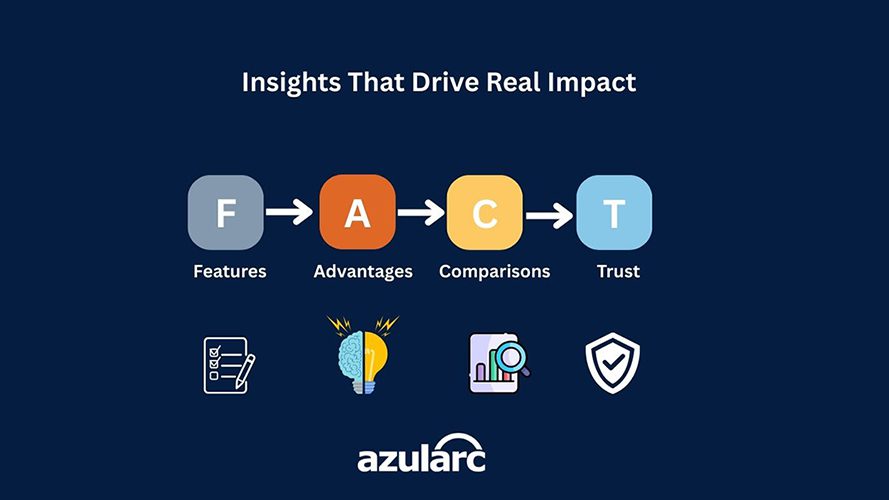
What Makes Great UX/UI Design? 5 FACTs That Prove the Difference.

Many teams claim they’re using Agile simply because they have stand-ups, follow sprints, or conduct retrospectives. However, Agile isn’t just a set of rituals—it’s a mindset, a cultural shift in how work gets done.
We’ve all been there. That moment you look back at something you once proudly delivered—and cringe. Maybe it was a deck. A website. A client workshop.

What Makes Great UX/UI Design? 5 FACTs That Prove the Difference. Read More

Stacey Matrix

Agile, Waterfall, or Kanban? Let the Stacey Matrix Guide Your Project Management Choice

Many teams claim they’re using Agile simply because they have stand-ups, follow sprints, or conduct retrospectives. However, Agile isn’t just a set of rituals—it’s a mindset, a cultural shift in how work gets done.
The real benefits of Agile emerge when the methodology is adopted holistically, rather than cherry-picking convenient elements

Agile, Waterfall, or Kanban? Let the Stacey Matrix Guide Your Project Management Choice Read More

Object oriented UX Design

Designing for users, not tasks: The power of Object-Oriented UX

In today’s rapidly evolving digital landscape, it’s more critical than ever to be able to create intuitive and user-friendly designs that address the actual needs of users. Unfortunately, most of the traditional approaches to software design tend to focus solely on actions or processes. This often results in unintuitive, overly complex interfaces and architecture that are disconnected from how users think and interact with the real world.

Designing for users, not tasks: The power of Object-Oriented UX Read More

Scroll to Top