
The justice system in the United States is standing at a crossroads in 2026. Backlogs are still heavy, staffing is tight, and public expectations for digital, on‑demand services are higher than ever. At the same time, technology that once sounded experimental—artificial intelligence, predictive analytics, integrated case platforms—is now proven in business and ready for courts.
For agencies, the challenge isn’t a lack of tools. It is knowing which trends matter, how to apply them to real‑world constraints, and how to move from “interesting idea” to “live system” without overwhelming staff or budgets.
This is where Azul Arc focuses: helping courts and justice agencies turn technology trends into practical, human‑centered solutions. Below are five key trends shaping court technology in 2026, and what they mean in day‑to‑day terms for teams like yours.
The Silo Problem in Manufacturing
Traditional manufacturing environments are often structured around functional departments. While this model has worked for decades, it creates fragmentation when processes become more complex and data-driven.
Common symptoms of siloed operations include:
- Disconnected systems for production, quality, maintenance, and supply chain
- Manual handoffs and duplicated data entry
- Limited visibility across departments
- Delayed decision-making due to incomplete or outdated information
- Increased errors, rework, and compliance risks
For example, production teams may not have real-time insight into maintenance issues, quality teams may rely on delayed reports, and leadership may struggle to get a single source of truth. These inefficiencies compound as organizations scale or introduce new technologies.
Why Cross-Functional Collaboration Is Essential to Digital Transformation
Digital transformation is not just about adopting new tools—it’s about transforming how people, processes, and data work together. Cross-functional collaboration ensures that digital investments create value across the entire organization rather than within isolated teams.
1. End-to-End Process Visibility
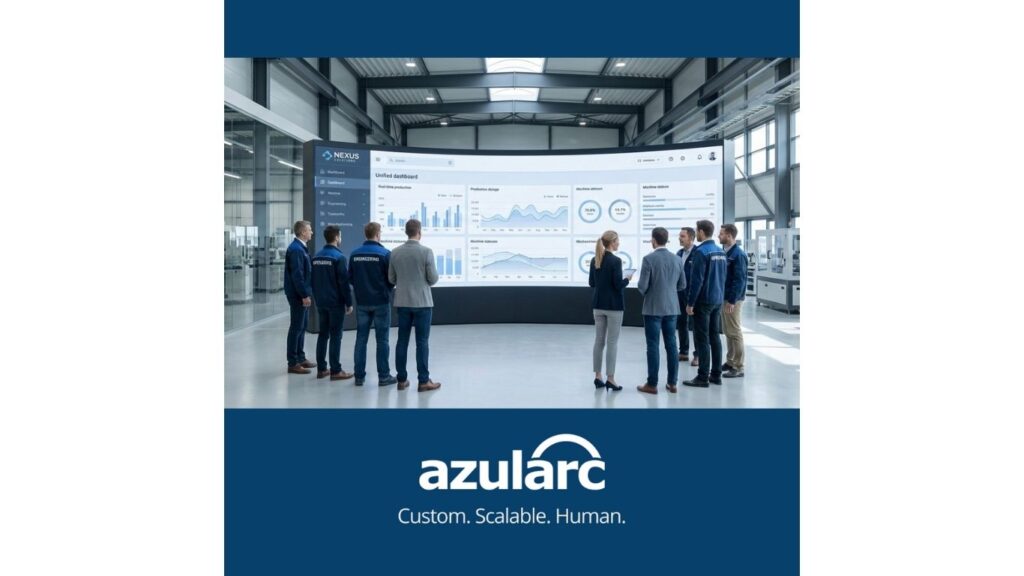
When teams operate on shared digital platforms, manufacturers gain real-time visibility across the full production lifecycle—from planning and procurement to execution and delivery. This transparency enables faster issue detection, proactive decision-making, and continuous improvement.
2. Faster, Data-Driven Decisions
Integrated systems allow stakeholders to access consistent, up-to-date data. Instead of relying on spreadsheets or manual reports, teams can collaborate using dashboards, alerts, and analytics that reflect actual operational conditions.
3. Improved Operational Efficiency
Breaking down silos reduces redundant work, streamlines approvals, and eliminates manual handoffs. Automated workflows ensure tasks move seamlessly across departments, reducing delays and operational friction.
4. Better Change Management and Adoption
When cross-functional teams are involved early in digital initiatives, solutions are more likely to align with real-world workflows. This increases user adoption and reduces resistance to change.
Key Barriers to Cross-Functional Collaboration
Despite its importance, achieving collaboration at scale is challenging for many manufacturers. Common barriers include:
- Legacy systems that don’t integrate with modern platforms
- Fragmented data stored across multiple tools and formats
- Role-based access limitations that prevent information sharing
- Cultural resistance to process change
- One-size-fits-all software that fails to adapt to unique operational needs
Addressing these challenges requires more than off-the-shelf tools—it requires custom digital solutions designed around how manufacturing teams actually work.
How Digital Platforms Enable Collaboration Across Manufacturing Teams
Modern manufacturing platforms act as a connective layer between people, processes, and systems. When designed correctly, they unify workflows while still respecting departmental responsibilities.
Key capabilities include:
- Centralized data repositories with role-based access
- Workflow automation that spans departments
- Real-time dashboards and alerts
- Integration with ERP, MES, and legacy systems
- Configurable modules tailored to specific operational needs
Rather than forcing teams into rigid software structures, custom platforms adapt to existing workflows—making collaboration natural and intuitive.
Real-World Impact: Lessons from Azul Arc Case Studies
At Azul Arc, we’ve partnered with manufacturing and industrial organizations to design and build digital platforms that improve coordination, visibility, and operational performance.
StaffWRX: Improving Workforce and Operational Coordination
StaffWRX faced challenges managing workforce operations across multiple functions, leading to fragmented processes and limited visibility. Azul Arc designed a centralized platform that replaced disconnected tools and manual workflows.
The result:
- Improved coordination between operations, HR, and leadership
- Real-time visibility into workforce metrics
- Reduced administrative overhead
- Faster decision-making across teams
By enabling shared access to data and workflows, StaffWRX achieved stronger cross-functional alignment and operational efficiency.
Polymer Industries: Replacing Fragmented Workflows
Polymer Industries struggled with siloed systems that limited collaboration between production, quality, and management teams. Azul Arc developed a custom digital solution that unified workflows and data across departments.
Key outcomes included:
- A single source of truth for operational data
- Streamlined approvals and reporting
- Improved collaboration between production and quality teams
- Greater visibility for leadership into plant performance
These outcomes demonstrate how tailored digital platforms can deliver tangible results when collaboration is built into the foundation.
Best Practices for Driving Cross-Functional Collaboration
Manufacturers looking to accelerate digital transformation should consider the following best practices:
- Start with process mapping: Understand how work flows across departments before selecting or building technology.
- Engage stakeholders early: Include representatives from all impacted teams in solution design.
- Prioritize integration: Ensure new platforms connect seamlessly with existing systems.
- Design for scalability: Build solutions that can evolve as operations grow.
- Measure impact: Track KPIs such as cycle time, error rates, and adoption to demonstrate ROI.
The Future of Manufacturing Is Collaborative
As manufacturing continues to evolve, organizations that succeed will be those that move beyond isolated digital tools and embrace connected, collaborative ecosystems. Cross-functional collaboration is no longer optional—it is foundational to achieving agility, efficiency, and resilience.
By investing in digital solutions that break down silos, connect teams, and provide real-time visibility, manufacturers can unlock the full potential of digital transformation.
At Azul Arc, we specialize in designing and building custom digital platforms that enable collaboration, streamline workflows, and deliver measurable business impact—helping manufacturers prepare not just for today’s challenges, but for the future ahead.
Interested in learning how a custom digital platform can improve collaboration across your manufacturing operations? Let’s start the conversation.